Millions of people brush diligently, floss regularly, and still suffer from gum disease, persistent bad breath, and tooth decay. Here's the science-backed reason why — and what you can actually do about it.
These aren't rare conditions. Oral health disease is an epidemic hiding in plain sight — and conventional dentistry has been treating the symptoms, not the cause.
of adults over 30 in the US have some form of gum disease (periodontitis), according to the CDC
adults suffers from chronic bad breath (halitosis) — affecting confidence, relationships, and quality of life
people worldwide live with untreated cavities in their permanent teeth, per WHO global oral health data
of adults over 65 have periodontal disease — and most never connect it to their broader systemic health
The uncomfortable truth: most of these cases are preventable. The missing piece isn't better toothpaste or more aggressive mouthwash — it's understanding what's actually causing the problem in the first place.
Gum disease doesn't happen overnight. It follows a predictable progression that most people only notice when significant damage has already occurred.
At its core, gum disease is an infection caused by specific strains of harmful bacteria that colonize the gum line and the pockets between teeth and gums. These bacteria produce inflammatory toxins called lipopolysaccharides (LPS) that trigger an immune response in your gum tissue.
The problem is that your immune system, trying to destroy the bacteria, inadvertently damages the surrounding tissue — your gums, the periodontal ligament, and eventually the jawbone itself. Over time, this leads to gum recession, bone loss, and ultimately tooth loss.
The bacteria responsible — including Porphyromonas gingivalis, Treponema denticola, and Tannerella forsythia (known collectively as the "red complex") — thrive in environments where beneficial bacteria have been depleted. This is the critical insight most traditional dental care misses entirely.
Gum disease progresses through two distinct stages. Understanding these stages helps you recognize early warning signs before irreversible damage occurs.
Pink, firm tissue. Beneficial bacteria dominate the oral microbiome. Minimal inflammation.
Gums become red, swollen, bleed during brushing. Reversible at this stage if caught early.
Bacteria invade below the gum line. Pockets form between teeth and gums. Bone loss begins.
Significant bone and tissue destruction. Teeth become loose. Risk of tooth loss is high.
Tooth decay is the world's most common chronic disease — and it's not caused by sugar directly. It's caused by what specific bacteria do with that sugar.
When you consume carbohydrates or sugar, certain bacteria in your mouth — primarily Streptococcus mutans and Lactobacillus acidophilus — metabolize these sugars and produce lactic acid as a byproduct. This acid lowers the pH in your mouth from a neutral 7.0 to as low as 4.5 — well below the critical threshold of 5.5 at which enamel begins to dissolve.
This process, called demineralization, leaches calcium and phosphate ions from your enamel. Do this often enough — or chronically keep oral pH low — and the enamel weakens, creating the pitting and softening we call a cavity.
The crucial point: in a healthy oral microbiome, acid-neutralizing bacteria like Streptococcus salivarius help buffer these pH changes. They also compete with S. mutans for space and nutrients, keeping acid-producers in check. When this balance is disrupted, the acid-producers win — and your enamel pays the price.
Tooth enamel is the hardest substance in your body — but it is produced by cells called ameloblasts that die off once your teeth have fully formed. Once enamel is lost, your body cannot regenerate it.
This is why early intervention is so important. The window for remineralization (your body restoring lost minerals to softened but intact enamel) closes quickly once a true cavity has formed. Fluoride treatment and calcium-phosphate products like dicalcium phosphate can support remineralization in the earliest stages — but the real prevention is keeping acid-producing bacteria from dominating in the first place.
Research shows that children raised with healthy oral microbiomes — often through breastfeeding and lower sugar intake early on — have significantly lower cavity rates than those with dysbiotic (imbalanced) oral bacteria, regardless of brushing habits.
Bad breath is one of the most socially debilitating and misunderstood oral health conditions. Up to 85% of cases come from one specific source — and it's not what most people think.
The primary driver of genuine, chronic bad breath is Volatile Sulfur Compounds (VSCs) — gases like hydrogen sulfide, methyl mercaptan, and dimethyl sulfide. These foul-smelling gases are produced by anaerobic (oxygen-hating) bacteria that break down proteins from food debris, dead cells, and saliva in your mouth.
The bacteria responsible for producing the most VSCs include Fusobacterium nucleatum, Porphyromonas gingivalis, and Prevotella intermedia — many of the same species involved in gum disease. They colonize the back of the tongue, the tonsils, and periodontal pockets — areas that brushing alone simply doesn't reach.
Antiseptic mouthwashes containing chlorhexidine, cetylpyridinium chloride, or high concentrations of alcohol work by killing bacteria — all bacteria, both harmful and beneficial. The short-term freshness lasts 20–30 minutes before bacterial populations rebound, and with fewer beneficial competitors, the VSC-producing anaerobes can repopulate even more aggressively than before.
This "mouthwash rebound effect" explains why so many halitosis sufferers feel they need to use mouthwash multiple times a day just to stay ahead of the problem — a cycle that perpetuates rather than resolves the underlying dysbiosis.
Every condition above — gum disease, cavities, bad breath — shares a single underlying cause. It has a name: oral dysbiosis.
Your mouth contains over 700 different bacterial species — making it one of the most microbiologically diverse environments in your body, second only to the gut. In a healthy state, these bacteria exist in a carefully balanced ecosystem where beneficial species keep harmful ones in check through competition for nutrients, space, and the production of antimicrobial compounds like bacteriocins and hydrogen peroxide.
Oral dysbiosis is the scientific term for what happens when this balance breaks down — when pathogenic (disease-causing) bacteria overgrow and outcompete the beneficial species. Think of it like a garden overrun by weeds when the healthy plants die off.
Once dysbiosis sets in, it creates a self-reinforcing cycle. Pathogenic bacteria produce inflammatory signals and lower local pH, creating an environment that's hostile to beneficial species and ideal for further pathogen growth. This is why oral health problems tend to worsen progressively without effective intervention — and why simply adding more brushing or mouthwash to the mix often doesn't break the cycle.
The key triggers of oral dysbiosis include:
Many signs of oral dysbiosis are easy to dismiss as normal or minor inconveniences. They're not. They're your body's early warning system — and they deserve attention before the damage becomes irreversible.
Important: If you're experiencing three or more of the above symptoms regularly, the underlying cause is almost certainly microbial imbalance in the oral cavity. Treating individual symptoms without addressing the bacterial ecosystem won't provide lasting relief. This page exists to explain why — and what a better approach looks like.
Your mouth is not isolated from the rest of your body. Research in the last two decades has uncovered extraordinary links between oral microbiome health and systemic disease — connections most people never hear about.
The oral cavity is the gateway to your body. Bacteria from your mouth enter your bloodstream through inflamed gum tissue every single time you chew — and they don't stay local. Here's what the science says about where they go and what they do there:
P. gingivalis has been found in atherosclerotic plaques in coronary arteries. Periodontal disease patients have 2–3× higher risk of cardiovascular events. The inflammatory pathway from gums to arterial walls is well-established.
Gum disease and diabetes have a bidirectional relationship. Oral pathogens increase systemic inflammation and insulin resistance, while high blood sugar promotes the growth of disease-causing oral bacteria. Treating periodontitis measurably improves HbA1c levels.
Landmark 2019 research published in Science Advances found P. gingivalis — and its toxic enzymes (gingipains) — in the brains of Alzheimer's patients. Periodontal bacteria may cross the blood-brain barrier and contribute to amyloid plaque formation.
Oral bacteria can be aspirated into the lungs, contributing to pneumonia and worsening COPD. People with periodontal disease have significantly higher rates of respiratory infections and complications.
Pregnant women with untreated periodontitis have 7× higher risk of preterm birth and low birth weight. Oral bacteria produce prostaglandins that can trigger premature uterine contractions — a connection most OBGYNs are now screening for.
The gut microbiome receives a constant flow of bacteria from the mouth — an estimated 100 million bacteria per day through swallowing. Oral pathogens like Fusobacterium nucleatum are implicated in colorectal cancer and inflammatory bowel conditions.
The takeaway: Oral health is not a cosmetic concern. It's a critical component of whole-body wellness. A healthy oral microbiome doesn't just protect your teeth and gums — it actively reduces your risk of heart disease, metabolic dysfunction, cognitive decline, and more. This makes restoring oral bacterial balance one of the highest-leverage health interventions available.
The dental industry has focused almost exclusively on mechanical and chemical approaches to oral hygiene — and while not without value, they fundamentally misunderstand the microbial nature of oral disease.
Brushing removes surface plaque mechanically — and this is genuinely useful. But it's important to understand what brushing cannot do:
Brushing is hygiene maintenance — not disease treatment. Telling someone with oral dysbiosis to "brush more" is like telling someone with a gut infection to chew their food more carefully.
Antiseptic mouthwashes are marketed as the solution to bad breath and gum disease — but the science tells a more complicated story. Chlorhexidine, the gold-standard dental antiseptic, has been shown in randomized trials to:
Fluoride has a specific and legitimate role: it incorporates into enamel structure (as fluorapatite) and makes it more resistant to acid dissolution. In the context of an already-acidic, dysbiotic oral environment, this is somewhat helpful — like reinforcing the walls of a house that's being flooded.
But fluoride does nothing to address the source of the acid — the acid-producing bacteria themselves. It's a purely defensive measure that treats the symptom (enamel vulnerability) without addressing the cause (bacterial acid production). For people with significant dysbiosis, fluoride treatment alone is never sufficient for long-term oral health.
The fundamental problem with conventional oral care: it was designed before we understood the oral microbiome. Dentistry developed in an era of germ theory — the idea that bacteria are enemies to be eliminated. Modern microbiology has overturned this view. We now know that the goal isn't to kill all bacteria — it's to cultivate the right ones. This paradigm shift is only beginning to reach mainstream dental practice.
Instead of fighting bacteria with chemicals, what if you could restore the balance of beneficial bacteria — crowding out the harmful species naturally? This is the science behind ProDentim.
Discover ProDentim's Probiotic Approach »60-day money-back guarantee · No questions asked
The difference isn't just philosophical. It has real, measurable consequences for your oral health outcomes.
| Category | ❌ Traditional Approach | ✅ Probiotic / Microbiome Approach |
|---|---|---|
| Core philosophy | Kill all bacteria; eliminate the microbial threat | Restore bacterial balance; let beneficial strains do the work |
| Bad breath treatment | Mask odor with mint or kill bacteria temporarily with antiseptics; rebound occurs | Introduce VSC-competitive beneficial strains that permanently displace odor-producing bacteria |
| Gum disease management | Mechanical scaling, antiseptic rinses, antibiotics — treat infection but don't prevent recurrence | Restore beneficial biofilm at gum line; reduce inflammatory pathogen load naturally through competition |
| Cavity prevention | Fluoride reinforces enamel but doesn't reduce acid-producing bacterial load | Shifts oral pH through bacterial competition; reduces S. mutans populations alongside calcium-phosphate support |
| Effect on beneficial bacteria | Antiseptic mouthwashes and antibiotics deplete beneficial species, worsening long-term microbiome health | Directly supplements beneficial bacterial populations, improving microbiome diversity and resilience |
| Long-term outcome | Cycle of infection, treatment, recurrence — no lasting change to underlying bacterial balance | Progressively healthier oral environment as beneficial bacteria establish colonization |
| Systemic health impact | Chlorhexidine shown to reduce systemic nitric oxide availability and raise blood pressure | Healthy oral microbiome reduces systemic inflammatory burden; supports cardiovascular and metabolic health |
Armed with this understanding of what's actually causing gum disease, bad breath, and tooth decay, the path forward becomes clear. And it's not more mouthwash.
ProDentim was developed with a fundamentally different philosophy: instead of trying to kill your way to oral health, what if you could populate your mouth with the specific beneficial bacterial strains it needs to protect itself?
Each ProDentim tablet delivers 3.5 billion CFUs of clinically studied probiotic strains — including Lactobacillus Paracasei, B.lactis BL-04®, and Lactobacillus Reuteri — directly into the oral cavity through slow dissolution. Unlike gut probiotics swallowed in capsules, these strains are delivered exactly where they're needed: coating the gum line, tongue, and mucosal surfaces of your mouth.
Combined with prebiotic inulin (which feeds and sustains the beneficial bacteria), dicalcium phosphate (for enamel remineralization support), and malic acid (for natural whitening and freshness), ProDentim represents a complete approach to oral health that works with your body's biology — not against it.
The result, reported by thousands of users and supported by the clinical literature on these specific strains, is a measurable shift in the oral microbiome: reduced gum inflammation, less bleeding, significantly fresher breath, and stronger, more resilient teeth — not from suppressing bacteria, but from restoring the ones that were always supposed to be there.
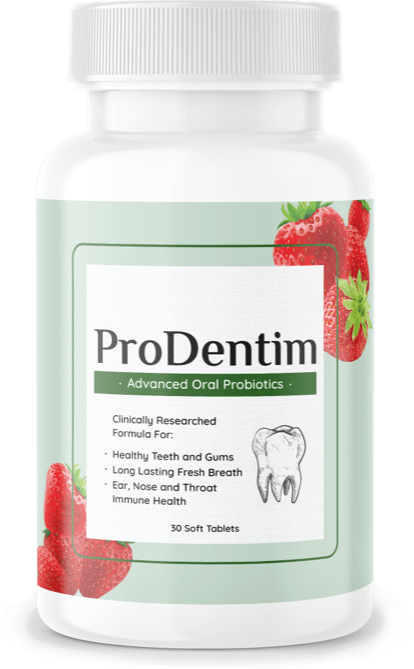
3.5 Billion CFU Oral Probiotic Chewable
4.8/5 · 95,000+ users
Try ProDentim Risk-Free »60-Day Money-Back Guarantee
Now that you understand the root cause, explore how ProDentim's ingredients and mechanism address each of these problems at the source.
🦷 Restore Your Oral Microbiome with ProDentim
Try Risk-Free »