What Is It?
Lactobacillus Paracasei is a gram-positive lactic acid bacterium belonging to the Lactobacillaceae family. It is one of the most versatile and extensively researched probiotic strains, naturally found in the human oral cavity, gut, and fermented foods like yogurt and aged cheese. It has been the subject of hundreds of peer-reviewed studies across both oral and systemic health domains.
What Does It Do for Oral Health?
Gum Support: L. Paracasei is widely recognized for its ability to suppress harmful periodontal pathogens — particularly Porphyromonas gingivalis and Fusobacterium nucleatum, two bacteria strongly implicated in gingivitis and periodontitis. By competitively excluding these pathogens, the strain helps reduce gum bleeding, tenderness, and the pocket depth associated with chronic gum disease.
Anti-Inflammatory Action: L. Paracasei modulates the host immune response by downregulating pro-inflammatory cytokines including IL-6, IL-8, and TNF-α in gingival tissue. This anti-inflammatory effect is critical because chronic low-grade gum inflammation — not just bacterial infection — is the primary mechanism of progressive periodontal tissue destruction.
Sinus Health: An often-overlooked benefit of L. Paracasei is its ability to support upper respiratory and sinus health. Research has shown it helps prevent colonization of pathogenic bacteria in the nasopharyngeal cavity, which is directly connected to the oral cavity. Sinus congestion can contribute to mouth breathing, which in turn dries out the mouth and disrupts the oral microbiome — making sinus support a genuinely relevant benefit for oral health outcomes.
📚 Clinical Evidence: A 2016 randomized controlled trial published in the Journal of Clinical Periodontology found that subjects using L. Paracasei supplements showed statistically significant reductions in gingival bleeding scores and plaque index compared to placebo. A 2019 systematic review in the European Journal of Dentistry further supported its efficacy as an adjunct to conventional periodontal therapy.
What Is It?
Bifidobacterium animalis subsp. lactis BL-04® is a proprietary, patented probiotic strain developed and trademarked by Danisco/DuPont (now IFF Health & Biosciences). It is one of the most extensively studied commercial probiotic strains in the world, with clinical data supporting immune modulation, respiratory health, microbiome balance, and gastrointestinal function. Its patent status reflects the significant investment in characterizing its precise mechanisms of action.
What Does It Do for Oral Health?
Oral Immunity: BL-04® exerts a powerful immunomodulatory effect at mucosal surfaces — including the gingival and oral mucosa. It stimulates the production of secretory IgA (sIgA), the primary antibody found in saliva that serves as the mouth's first-line immune defense. Higher sIgA levels are associated with greater resistance to oral pathogen colonization and more rapid clearance of harmful microbes.
Microbiome Balance: In the oral cavity, microbial balance (eubiosis) is just as important as gut eubiosis. BL-04® helps maintain a healthy ratio of beneficial to harmful bacteria by producing organic acids, hydrogen peroxide, and bacteriocins that selectively inhibit pathogens like Streptococcus mutans (the primary cavity-causing bacterium) without disrupting commensal species.
Respiratory Support: Because the oral cavity, nasopharynx, and upper respiratory tract share a continuous mucosal surface, oral probiotic strains with respiratory activity have dual value. BL-04® has demonstrated in clinical studies the ability to reduce the duration and severity of upper respiratory tract infections, which reduces post-infection microbiome disruption in the mouth.
📚 Clinical Evidence: A landmark 2009 RCT published in the British Journal of Sports Medicine involving 141 athletes found that BL-04® supplementation significantly reduced the incidence of upper respiratory illness. A 2019 review in Nutrients highlighted BL-04®'s consistent immunomodulatory effects across multiple human trials, making it one of the most reproducible probiotic strains in the literature.
What Is It?
Lactobacillus Reuteri is a naturally occurring human commensal bacterium found in the gastrointestinal and oral cavities. It was first isolated from human breast milk and gut in the 1960s. L. Reuteri is unique among probiotic strains because it produces a broad-spectrum antimicrobial compound called reuterin (3-hydroxypropionaldehyde / 3-HPA), which selectively inhibits pathogenic gram-negative bacteria while leaving beneficial bacteria largely unaffected. This selectivity makes it especially valuable in oral health applications.
What Does It Do for Oral Health?
Reduces Pathogenic Bacteria: L. Reuteri's production of reuterin creates a localized antimicrobial environment that is particularly effective against periodontal pathogens like P. gingivalis, T. denticola, and A. actinomycetemcomitans — collectively known as the "red complex" bacteria most strongly associated with severe periodontitis. By suppressing these species, L. Reuteri directly addresses the root bacterial cause of gum disease.
Gum Inflammation Reduction: Beyond its antimicrobial action, L. Reuteri has been shown to modulate gingival inflammatory markers directly. Multiple clinical trials have documented significant reductions in gingival index (GI), bleeding on probing (BOP), and probing pocket depth (PPD) in patients using L. Reuteri lozenges alongside standard scaling and root planing.
Halitosis Treatment: Bad breath (halitosis) is primarily caused by volatile sulfur compounds (VSCs) — hydrogen sulfide and methyl mercaptan — produced by gram-negative anaerobic bacteria on the tongue and in gingival pockets. L. Reuteri, by reducing the load of these VSC-producing bacteria, directly reduces VSC concentrations in the breath, leading to measurable improvements in breath odor scores as assessed by organoleptic testing and gas chromatography in clinical trials.
📚 Clinical Evidence: A 2014 randomized controlled trial in Journal of Clinical Periodontology (Vicario et al.) tested L. Reuteri lozenges in periodontitis patients and found significant reductions in gingival bleeding and periodontal pocket depth vs. placebo. A 2020 systematic review and meta-analysis in Oral Diseases of 14 RCTs concluded that L. Reuteri supplementation produced clinically meaningful improvements in periodontal parameters when used as adjunct therapy.
What Is It?
BLIS K-12 is a specific strain of Streptococcus salivarius, a beneficial bacterium that naturally colonizes the human mouth and throat. Developed and trademarked by BLIS Technologies Ltd (New Zealand), this strain produces two potent bacteriocin-like inhibitory substances (BLIS): salivaricin A2 and salivaricin B. These natural antimicrobial proteins specifically target competing streptococcal species — particularly Streptococcus pyogenes (Group A Strep) — that cause throat infections, ear infections, and oral dysbiosis. Importantly, S. salivarius is the dominant beneficial bacterium in healthy mouths, and BLIS K-12 essentially repopulates this keystone species.
What Does It Do for Oral Health?
Oral Immunity: As a keystone oral commensal, BLIS K-12 strengthens the mucosal immune barrier of the oral cavity. Individuals with high S. salivarius colonization are significantly less susceptible to recurrent oral infections. By re-establishing this dominant beneficial species, BLIS K-12 creates a competitive exclusion barrier against opportunistic pathogens that would otherwise take advantage of microbiome imbalances.
Strep Throat Prevention: One of BLIS K-12's most clinically documented effects is the prevention of recurrent streptococcal throat infections. Since the throat and oral cavity share a mucosal ecosystem, this benefit is directly relevant to oral health — fewer throat infections mean less systemic antibiotic use, which in turn means less collateral damage to the oral microbiome.
Halitosis Reduction: BLIS K-12 has been shown in controlled studies to reduce the volatile sulfur compound-producing bacterial load in the oral cavity, resulting in measurable reductions in breath malodor. Since S. salivarius naturally produces bacteriocins targeting VSC-producing pathogens, this benefit is mechanistically well understood and clinically reproducible.
📚 Clinical Evidence: A 2006 double-blind RCT by Wescombe et al. published in Applied and Environmental Microbiology demonstrated significant reduction in Group A Strep infections in schoolchildren using BLIS K-12 lozenges over 3 months. A 2017 open-label study in 23 adults with chronic halitosis showed a 37% mean reduction in organoleptic breath scores after 14 days of BLIS K-12 supplementation.
What Is It?
BLIS M-18 is a second proprietary strain of Streptococcus salivarius from BLIS Technologies, specifically selected and developed for its unique ability to promote dental health and enamel integrity. While BLIS K-12 focuses primarily on throat and immune protection, BLIS M-18 was specifically isolated and characterized for its superior dental and enamel-protective properties. It is a distinct strain with a different bacteriocin production profile optimized for the tooth surface environment.
What Does It Do for Oral Health?
Enamel Protection: BLIS M-18 produces the enzyme urease, which helps neutralize the acid pH environment around teeth that drives enamel erosion. By converting urea (naturally present in saliva) into ammonia and carbon dioxide, the strain helps raise the local pH at the tooth surface — creating conditions unfavorable for acid-producing cavity bacteria and more favorable for enamel remineralization.
Plaque Reduction: One of the distinctive actions of BLIS M-18 is its production of dextranase, an enzyme that breaks down the dextran-based extracellular matrix of dental plaque biofilm. Dental plaque is not just an accumulation of bacteria — it's a structured biofilm held together by polysaccharide matrices. By enzymatically degrading this matrix, BLIS M-18 physically disrupts established plaque and inhibits new biofilm formation, reducing the substrate for cavity-causing bacteria to thrive.
Cavity Prevention: By simultaneously reducing plaque biofilm and neutralizing acids, BLIS M-18 creates a double-pronged defense against tooth decay — addressing both the structural vehicle (plaque) and the chemical driver (acid pH) of cavity formation.
📚 Clinical Evidence: A 2015 study by Scariya et al. published in the Journal of International Society of Preventive & Community Dentistry assessed BLIS M-18 supplementation in children with high caries risk and found significant reductions in plaque scores and Streptococcus mutans colony counts after 60 days compared to placebo.
What Is It?
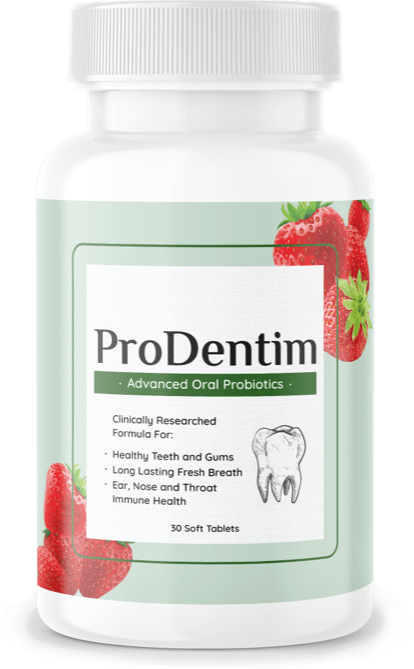
Inulin is a naturally occurring polysaccharide — a type of soluble dietary fiber — found abundantly in chicory root, Jerusalem artichoke, garlic, onion, and bananas. Chemically, inulin is a fructan: a chain of fructose molecules linked by β(2→1) glycosidic bonds that human digestive enzymes cannot break down. This makes it a selective prebiotic — a compound that feeds beneficial bacteria without being metabolized by the host. In ProDentim, inulin serves the critical function of supporting and sustaining the probiotic strains it is delivered alongside.
What Does It Do for Oral Health?
Feeds Beneficial Bacteria: The probiotic strains in ProDentim need a nutrient substrate to survive and multiply after delivery to the oral cavity. Inulin provides exactly this — it is preferentially fermented by beneficial Lactobacillus and Bifidobacterium species, producing short-chain fatty acids (SCFAs) like acetate and lactate that lower the local pH in ways that specifically disadvantage acid-sensitive pathogens while supporting probiotic growth.
Colonization Support: Clinical research shows that prebiotics significantly enhance the survival and persistence of simultaneously delivered probiotics. Without an adequate prebiotic substrate, introduced probiotic strains often fail to achieve meaningful colonization — they are simply outnumbered and outcompeted by established bacteria. Inulin gives the incoming beneficial strains a competitive nutritional advantage, dramatically improving their ability to establish a lasting presence in the oral microbiome.
Biofilm Disruption: Inulin fermentation products also help modulate the composition of oral biofilms indirectly by creating a micro-environment that favors commensal species over cariogenic and periodontal pathogens. This makes it a valuable functional ingredient beyond simple nutrition for probiotics.
📚 Clinical Evidence: A 2021 review in Frontiers in Microbiology confirmed that prebiotic co-administration significantly increases oral probiotic colonization success. Research published in Caries Research showed inulin-type fructans selectively promote beneficial oral bacteria while having negligible impact on cariogenic streptococci directly.
What Is It?
Malic acid is a naturally occurring alpha-hydroxy acid (AHA) found at high concentrations in unripe apples, pears, cherries, grapes — and most famously, strawberries. It is responsible for the characteristic tartness of these fruits. In biochemistry, malic acid plays a key role in the Krebs (citric acid) cycle — the fundamental energy-production pathway of all aerobic cells. In dentistry and cosmetic science, it is recognized as a gentle, enamel-safe whitening and stain-removing agent that has been used in professional dental formulations for decades.
What Does It Do for Oral Health?
Natural Tooth Whitening: Malic acid functions as a natural tooth brightener through a mechanism fundamentally different from peroxide-based bleaching. Rather than penetrating and oxidizing the enamel matrix (which can cause sensitivity), malic acid works as a mild chelating and dissolving agent that removes surface stains from the tooth's pellicle layer — the thin protein film that coats enamel and traps chromogenic compounds from coffee, tea, wine, and food. This makes it effective without the sensitivity, enamel thinning, or gum irritation associated with bleaching agents.
Enamel Safety: Unlike citric or phosphoric acids, malic acid's interaction with hydroxyapatite (tooth enamel mineral) is controlled and self-limiting. At the concentrations used in ProDentim's formulation, it does not cause net mineral loss. Multiple in vitro and in situ studies confirm that low-dose malic acid has negligible erosive potential on sound enamel.
Salivary Stimulation: Malic acid also acts as a mild sialagogue — it stimulates saliva flow. Adequate saliva production is critical for oral health: saliva carries calcium and phosphate ions that remineralize enamel, contains sIgA antibodies that defend against pathogens, and maintains the neutral pH needed for a healthy oral microbiome.
📚 Clinical Evidence: A 2013 study published in General Dentistry examined malic acid's whitening efficacy and found that 3.75% malic acid produced comparable stain removal to commercial whitening dentifrices in a 4-week trial without significant surface roughness changes. Dental school research has consistently rated malic acid as one of the safest natural whitening agents when used at appropriate concentrations.
What Is It?
Dicalcium phosphate (calcium hydrogen phosphate, CaHPO₄) is an inorganic mineral compound that provides two of the most critical minerals for dental health: calcium and phosphate. It is widely used in toothpastes, dental treatments, and nutritional supplements as a direct precursor for enamel remineralization. DCP is the same mineral class as hydroxyapatite — the crystalline calcium phosphate mineral that constitutes approximately 96% of tooth enamel and 70% of dentin by weight.
What Does It Do for Oral Health?
Enamel Remineralization: When acids from bacterial fermentation or dietary sources attack enamel, they dissolve the calcium and phosphate ions that make up the crystalline hydroxyapatite structure — a process called demineralization. This is the fundamental mechanism of cavity formation. Dicalcium phosphate supplies a direct, bioavailable reservoir of calcium and phosphate ions that can reprecipitate back onto partially demineralized enamel surfaces, rebuilding the hydroxyapatite crystal lattice and reversing early-stage enamel erosion.
Mineral Support: Beyond direct remineralization, DCP helps maintain the ionic equilibrium in saliva that keeps the oral environment supersaturated with calcium and phosphate — conditions under which enamel remineralization dominates over demineralization. This is particularly important for individuals with dry mouth (xerostomia), reduced salivary buffering capacity, or high dietary acid intake.
Enamel Hardness Restoration: In vitro enamel microhardness studies consistently show that dicalcium phosphate-containing treatments significantly increase enamel Knoop hardness after periods of acid challenge, demonstrating genuine structural repair — not just surface coating.
📚 Clinical Evidence: Multiple studies published in Caries Research and Journal of Dentistry confirm calcium phosphate-based compounds' efficacy in enamel remineralization. A 2018 review in the Journal of Clinical Dentistry identified dicalcium phosphate as one of the most effective non-fluoride remineralization agents, making it particularly appealing to those seeking fluoride-free enamel support.
What Are They?
Peppermint (Mentha × piperita) and spearmint (Mentha spicata) are aromatic herbs from the Lamiaceae family that have been used in oral hygiene for centuries. Their active compounds include menthol (peppermint) and carvone (spearmint), along with a rich complex of flavonoids, phenolic acids, and rosmarinic acid. In ProDentim, they serve both a functional oral health role and a sensory role — making the daily chewable tablet a genuinely pleasant experience that supports compliance.
What Do They Do for Oral Health?
Natural Breath Freshening: Menthol in peppermint works through multiple mechanisms to freshen breath. It provides immediate olfactory freshness through its characteristic cooling scent, which masks existing malodor. More importantly, both peppermint and spearmint essential oils have demonstrated broad-spectrum antimicrobial activity against oral bacteria — including S. mutans, P. gingivalis, and Candida albicans — which addresses the underlying bacterial cause of bad breath rather than simply masking it.
Anti-Inflammatory Properties: Rosmarinic acid and other polyphenolic compounds in mint have well-documented anti-inflammatory properties. In the oral cavity, they help reduce gingival inflammation by inhibiting prostaglandin synthesis (similar to the mechanism of NSAIDs, but mild and topical). This makes peppermint and spearmint genuinely complementary to the probiotic strains that address inflammation through the immune modulation pathway.
Antimicrobial Activity: Peppermint oil has been shown to inhibit biofilm formation by Streptococcus mutans and reduce the total bacterial count in dental plaque in controlled in vitro studies, supporting the probiotic strains' work in maintaining a balanced oral microbiome. Its inclusion also enhances user experience and compliance, which is critical for any supplement that requires consistent daily use to achieve results.
📚 Clinical Evidence: A 2019 study published in Phytotherapy Research demonstrated that peppermint extract was as effective as chlorhexidine mouthwash in reducing Streptococcus mutans colony counts in saliva over a 4-week period. Research in Frontiers in Pharmacology (2020) documented the anti-biofilm and anti-inflammatory actions of mint polyphenols on oral mucosal cells.