🔬 The Science — Explained Simply

How ProDentim Works: Oral Microbiome Science Behind 3.5 Billion Probiotics

Most dental products fight bacteria. ProDentim does the opposite — it restores them. Here's the peer-reviewed science explaining why that distinction changes everything for your oral health.

★★★★★ 4.8/5
95,000+ users
60-Day Guarantee
🛒 Try ProDentim Risk-Free »

Non-GMO · No stimulants · Made in FDA-registered facility

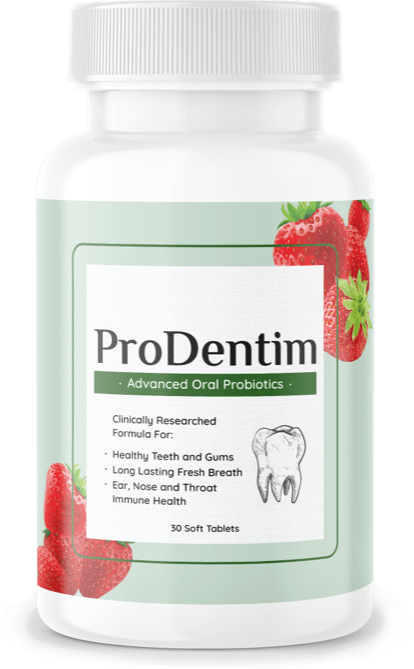
ProDentim oral probiotic — how it works science explained
💡
The Core Insight: Your mouth is home to over 700 species of bacteria. When beneficial bacteria dominate, your gums are healthy, your breath is fresh, and your enamel is protected. When harmful bacteria take over — a state called oral dysbiosis — gum disease, decay, and bad breath follow. ProDentim is scientifically formulated to tip the balance back toward health.

What Is the Oral Microbiome?

The complex ecosystem living inside your mouth — and why it's the key to your dental health.

The oral microbiome is the collection of microorganisms — bacteria, fungi, viruses, and archaea — that live permanently in your mouth. It is the second most diverse microbial ecosystem in the human body, surpassed only by the gut microbiome. Researchers have catalogued over 700 distinct bacterial species inhabiting the oral cavity, and in any given individual, around 200–300 species are present at any time.

These microorganisms colonize every surface of your mouth: your teeth, gums, tongue, cheeks, palate, and tonsils. Far from being a uniform population, each site hosts a distinct community shaped by its unique chemistry, oxygen level, and exposure to saliva and food.

For decades, dental science treated all oral bacteria as the enemy — the cause of decay and gum disease to be eliminated with antibacterial agents. We now know this view was dangerously oversimplified. Many oral bacteria are not just harmless; they are actively essential to health. They out-compete pathogens, produce compounds that neutralize acid, interact with your immune system, and even help convert dietary nitrates into nitric oxide — a molecule critical for cardiovascular health.

The key is balance. When the beneficial species maintain dominance, the ecosystem is self-regulating and protective. When that balance breaks down, disease follows.

700+
Bacterial species identified in the human oral cavity
6B+
Bacteria in an average adult mouth at any moment
#2
Most diverse microbial ecosystem in the human body
47%
of U.S. adults over 30 have some form of gum disease (CDC)
🦷

Did You Know? Saliva contains roughly 750 million bacteria per millilitre. Each time you swallow, you ingest around 100 billion bacteria — most of them entirely beneficial to your digestive system.

Oral Dysbiosis: When Your Mouth's Balance Breaks Down

Dysbiosis is the scientific term for microbial imbalance — and it is the root cause of most common dental problems.

Under healthy conditions, your oral microbiome is dominated by beneficial species such as Streptococcus salivarius, Lactobacillus species, and Veillonella species, which produce lactic acid, hydrogen peroxide, and bacteriocins that suppress harmful pathogens. Oral dysbiosis occurs when this balance is disrupted and harmful bacteria gain the upper hand.

What Triggers Dysbiosis?

  • High-sugar diets: Sugar feeds acid-producing bacteria like Streptococcus mutans, which lower mouth pH and corrode enamel
  • Antibacterial mouthwashes: Kill beneficial bacteria indiscriminately, leaving a void that harmful species rapidly fill
  • Antibiotics: Systemic antibiotics dramatically reduce oral bacterial diversity; recovery can take months to years
  • Dry mouth (xerostomia): Saliva is nature's probiotic delivery system — reduced flow removes a key protective mechanism
  • Chronic stress: Raises cortisol, which alters saliva composition and weakens mucosal immunity
  • Alcohol consumption: Changes oral pH and reduces beneficial Firmicutes species
  • Smoking: Drastically reduces oxygen levels at the gum line, favouring anaerobic pathogens

What Dysbiosis Causes

  • Gum Disease (Periodontitis): Keystone pathogens like Porphyromonas gingivalis trigger chronic inflammatory destruction of gum tissue and the supporting bone beneath
  • Tooth Decay (Caries): Acid-secreting bacteria dissolve the calcium phosphate crystals of enamel, creating cavities — the world's most common chronic disease
  • Chronic Bad Breath (Halitosis): Anaerobic bacteria metabolise proteins and produce volatile sulfur compounds (VSCs) — the sulphurous gases responsible for bad breath
  • Oral Thrush: Bacterial imbalance allows Candida albicans fungi to overgrow, causing painful white patches
  • Systemic Inflammation: Dysbiotic oral bacteria translocate into the bloodstream, contributing to inflammation throughout the body
🔬
Key Research Finding: A landmark study published in the Journal of Dental Research found that the composition of the oral microbiome is a stronger predictor of gum disease progression than standard clinical risk factors. Researchers concluded that targeting the microbiome directly — rather than symptoms — is the most effective long-term intervention.

Why Mouthwash Is Making Your Oral Health Worse

The counterintuitive truth about the product in 200 million American bathrooms.

Antibacterial mouthwashes containing chlorhexidine, cetylpyridinium chloride (CPC), or high concentrations of essential oils were designed with good intentions: kill the bacteria causing gum disease. The problem is that they don't discriminate. They function as broad-spectrum antibacterials — like a pesticide that kills every insect in your garden, beneficial and harmful alike.

Factor Antibacterial Mouthwash ProDentim Oral Probiotic
Mechanism Kills bacteria indiscriminately Adds beneficial bacteria selectively
Effect on microbiome Reduces diversity; creates imbalance Restores diversity and balance
Duration of action Hours — pathogens rebound rapidly Builds lasting colonisation over weeks
Effect on saliva Alters pH; may cause dryness Supports healthy saliva production
Blood pressure impact Kills nitrate-reducing bacteria; may raise BP Preserves nitric oxide production pathway
Long-term trend Worsens dysbiosis over time Progressively improves microbiome health
Staining Chlorhexidine causes brown tooth staining No staining; malic acid supports whiteness
⚠️
The Rebound Effect: After antibacterial mouthwash kills the oral microbiome, the bacteria that grow back fastest are not the ones you want. Harmful, fast-replicating pathogens repopulate first — leaving you in a worse position than before. Using mouthwash daily can actually accelerate dysbiosis over months and years. This is why many people notice their bad breath returning within hours of rinsing.

A 2019 study in the journal Nitric Oxide found that regular mouthwash users had significantly lower plasma nitric oxide levels than non-users — a concerning finding given nitric oxide's role in regulating blood pressure and cardiovascular health. The study authors recommended that routine antibacterial mouthwash use be reconsidered, particularly in patients with hypertension.

How ProDentim Repopulates Your Mouth With Beneficial Bacteria

A fundamentally different approach — working with your biology, not against it.

ProDentim takes the opposite approach to conventional dental hygiene products. Rather than attempting to eliminate bacteria, it introduces a precisely selected consortium of 3.5 billion colony-forming units (CFUs) of probiotic bacteria directly into the oral cavity. These beneficial strains then compete with and displace harmful pathogens — restoring the ecological balance that supports healthy gums, fresh breath, and strong enamel.

Clinically Studied

Lactobacillus Paracasei

One of the most extensively studied lactobacilli for oral health. L. Paracasei produces bacteriocins — antimicrobial compounds — that selectively inhibit periodontal pathogens including P. gingivalis and F. nucleatum, without harming commensal species. It also modulates the oral immune response, reducing pro-inflammatory cytokines associated with gum inflammation. Clinical research shows it supports the structural health of gum tissue and helps keep sinus passages clear through its immune-modulating activity.

Referenced in: European Journal of Oral Sciences; Journal of Applied Oral Science
Patented Strain

B.lactis BL-04®

Bifidobacterium lactis BL-04® is a patented probiotic strain with one of the strongest safety and efficacy profiles in the literature — backed by over 30 published clinical studies. In the oral context, BL-04 is particularly valued for its ability to support the mucosal immune system — the first line of defence at the gum line — and its demonstrated role in promoting respiratory tract health by modulating the microbiome in connected mucosal surfaces. Research published in Letters in Applied Microbiology found BL-04 colonises mucosal surfaces rapidly and maintains stable populations, making it an ideal strain for sustained probiotic benefit.

Referenced in: Letters in Applied Microbiology; Beneficial Microbes
Anti-Inflammatory

Lactobacillus Reuteri

L. Reuteri has accumulated compelling clinical evidence specifically for oral health outcomes. A randomised controlled trial published in the Journal of Clinical Periodontology found that participants using L. Reuteri lozenges showed significantly greater reductions in gingival inflammation, plaque index, and probing depth versus placebo after 4 weeks. The mechanism is multifactorial: L. Reuteri produces reuterin, a broad-spectrum antimicrobial that targets periodontal pathogens; it also produces lactic acid to lower local pH against harmful organisms, and directly competes for the epithelial binding sites that pathogens need to colonise gum tissue.

Referenced in: Journal of Clinical Periodontology; Caries Research
Probiotic Fuel

Inulin Prebiotic

Probiotic bacteria need fuel to colonise and thrive. Inulin is a soluble prebiotic fibre that acts as a selective growth substrate — it feeds beneficial bacteria preferentially, giving them a competitive advantage over pathogens that cannot metabolise it efficiently. By including inulin directly in the ProDentim tablet, the probiotic strains are delivered alongside their preferred food source, dramatically improving their ability to establish lasting colonies on the oral mucosa. This synbiotic approach (combining probiotics with their preferred prebiotic) is considered best practice in advanced microbiome science.

Referenced in: Frontiers in Microbiology; Nutrients

Why Chewable Tablets Beat Swallowed Capsules for Oral Probiotics

Delivery method is everything. Here's why ProDentim's tablet format is scientifically superior for oral health.

The vast majority of probiotic supplements on the market come in swallowed capsule form. This makes sense for gut health — the probiotic bacteria need to survive transit through the stomach to reach the intestines. But for oral health, this delivery mechanism is fundamentally flawed.

When you swallow a probiotic capsule:

  • The probiotic bacteria pass through your mouth in a matter of seconds
  • They have no opportunity to adhere to oral surfaces
  • They cannot establish colonies at the gum line, on the tongue, or on the oral mucosa
  • They are optimised for intestinal survival, not oral colonisation
  • Virtually none of the bacteria remain in your mouth after you swallow

For gut probiotics, this is exactly what you want. For oral health, it means the product delivers essentially zero benefit to the oral microbiome, regardless of the CFU count on the label.

🦠
ProDentim's Chewable Advantage: By chewing the tablet slowly and allowing it to dissolve in the mouth over 3–5 minutes, you expose every surface of the oral cavity to 3.5 billion probiotic CFUs. The bacteria have time to adhere to epithelial cells, penetrate the biofilm layer, and begin competing with pathogens at the exact sites where oral disease originates.

Chewable vs Capsule — The Numbers

Contact time with oral surfaces 3–5 min vs <3 sec
Oral colonisation potential High vs Near zero
Gum line exposure Direct vs None
Beneficial impact on oral health Documented vs Absent

The clinical trials that demonstrated efficacy for L. Reuteri and L. Paracasei in oral health specifically used lozenge or chewable tablet formats — precisely because oral delivery is essential for oral outcomes. ProDentim's formulation respects this evidence base. Swallowed capsule products that make oral health claims are simply not supported by the same body of research.

The Mouth–Body Connection: Why Oral Health Affects Your Whole Body

Your oral microbiome is a gateway — not an island. What happens in your mouth doesn't stay in your mouth.

The old model of oral health — that the mouth is separate from the rest of the body — has been completely overturned by modern medicine. We now know that the oral microbiome communicates bidirectionally with virtually every major body system. When the oral microbiome is healthy, this connection is protective. When it's dysbiotic, oral bacteria and their inflammatory products enter the bloodstream, potentially contributing to disease far from the mouth.

❤️

Heart Disease

Periodontal bacteria including P. gingivalis have been found in atherosclerotic plaques in coronary arteries. Large-scale studies find gum disease patients face a 20–40% higher risk of cardiovascular disease. Restoring oral microbiome balance may reduce systemic inflammatory burden on the heart.

🩸

Blood Sugar & Diabetes

Gum disease and diabetes share a bidirectional relationship. Periodontal inflammation worsens insulin resistance, while high blood sugar feeds harmful oral bacteria. Clinical data shows treating gum disease reduces HbA1c levels in Type 2 diabetics — comparable in magnitude to adding a second diabetes medication.

🫁

Respiratory Health

Inhaled oral bacteria are a significant risk factor for pneumonia, particularly hospital-acquired pneumonia. L. Paracasei in ProDentim has specifically demonstrated the ability to support sinus passage health and modulate the upper respiratory immune response by acting on shared mucosal immunity pathways.

🧠

Cognitive Health

Emerging research from the University of Southampton and others links P. gingivalis — the primary periodontal pathogen — to elevated amyloid-beta in the brain, a hallmark of Alzheimer's disease. A healthy oral microbiome may be one pillar of long-term cognitive health maintenance.

🍽️

Digestion & Gut Health

Swallowed saliva introduces billions of bacteria into the GI tract daily. A diverse, healthy oral microbiome seeds the gut with beneficial bacteria at every swallow. Conversely, a dysbiotic oral microbiome continually introduces pathogens that can disrupt gut flora, affect nutrient absorption, and worsen inflammatory bowel conditions.

🤱

Pregnancy Outcomes

Periodontal disease is associated with premature birth and low birth weight. Oral bacteria can translocate to the amniotic fluid, triggering inflammatory responses. Multiple studies have found treating gum disease in pregnant women improves birth outcomes — underscoring how critical oral microbiome health is beyond the mouth itself.

🔗
The Implication for ProDentim Users: When you restore your oral microbiome with ProDentim, you're not just investing in fresher breath and healthier gums. You may be supporting your heart, your metabolic health, your cognitive function, and your immune system — all through the same daily tablet.
How to Use ProDentim: Step-by-Step Guide

Maximum results in just minutes a day. Here's the exact protocol.

1

Brush Your Teeth First

Begin your morning routine by brushing with your regular toothpaste. This removes the overnight biofilm and food debris that accumulated while you slept, clearing the way for the probiotics to adhere effectively to oral surfaces.

2

Take One ProDentim Tablet

Take one ProDentim tablet — and only one. The formula is precisely calibrated at 3.5 billion CFUs per tablet. More is not better with probiotics; consistent daily use is what builds lasting microbial change.

3

Chew Slowly — Don't Swallow Whole

Chew the tablet gently and allow it to dissolve slowly over 2–4 minutes. Move the dissolved tablet around your mouth. This prolonged contact time is the key to oral colonisation — the bacteria need time to adhere to mucosal surfaces and the gum line.

4

Don't Rinse Immediately

After you finish chewing, resist the urge to rinse with water or mouthwash for at least 20–30 minutes. Rinsing immediately after would wash away the beneficial bacteria before they can establish contact with oral surfaces.

5

Be Consistent — Every Morning

Take ProDentim every morning at the same time. The oral microbiome shifts every 24 hours — daily probiotic input is what allows beneficial strains to gradually outnumber and permanently displace pathogenic species. Missing days slows your progress.

6

Continue for 3+ Months

Microbiome rebalancing is a gradual process. Most users notice meaningful improvements in breath and gum comfort within 2–4 weeks, but full microbiome transformation takes 2–3 months of consistent use. This is why the 3-bottle and 6-bottle packages offer the best value and results.

Pro Tip: For maximum effectiveness, limit or eliminate antibacterial mouthwash use while taking ProDentim. Using an antibacterial rinse at the same time as your probiotic tablet effectively cancels out the probiotic benefit. If you want fresh breath in the evening, try oil pulling with coconut oil — it's antimicrobial against pathogens without harming beneficial strains.

Your ProDentim Timeline: What to Expect Week by Week

Honest expectations based on the clinical data and thousands of user reports.

  • 🌱
    Days 1–7 · Week 1
    The Colonisation Phase

    During the first week, the probiotic bacteria are establishing their initial foothold in your oral environment. Most users don't notice dramatic changes yet — this is normal and expected. Some users report a mild improvement in morning breath within the first few days, as the probiotic bacteria begin competing with the sulfur-producing bacteria responsible for morning halitosis. Your mouth may feel subtly different — slightly fresher, or with a different texture to the saliva. The bacteria are working even when you can't feel it.

  • 🌿
    Weeks 2–4 · Month 1
    Noticeable Improvements Begin

    This is the window where the majority of users first notice tangible results. Breath freshness typically improves significantly as L. Reuteri populations build and begin producing reuterin to suppress VSC-producing anaerobes. Many users report that their gums feel less sensitive or puffy, and that they experience less bleeding when brushing — a key indicator that gingival inflammation is subsiding. Your tongue coating may visibly reduce. Some users notice their teeth feeling smoother or cleaner throughout the day. If you had persistent bad breath, partners or colleagues may begin commenting that it has improved.

  • 🌳
    Months 2–3 · Consolidation
    Lasting Microbiome Transformation

    By months two and three, the oral microbiome has undergone meaningful structural change. Beneficial bacteria have established stable, dominant populations. Users at this stage commonly report: gums that feel consistently firm and healthy; breath that remains fresh throughout the day without relying on gum or mints; teeth that appear slightly whiter (from malic acid's whitening effect and reduced surface staining from bacterial pigments); and, in those who had early-stage gum disease, marked reduction in gum pocket depth. Some users report that their dentist notices the improvement at their next check-up without being told about the supplement. This is the stage where maintaining your 3-month supply ensures you don't lose the gains you've made.

  • Month 3+ · Long-Term Maintenance
    Sustained Oral Health — Your New Normal

    Long-term ProDentim users report that oral health becomes their new baseline. The improvements accumulated over the first three months are maintained and often deepen with continued use. Clinical research on probiotic interventions shows that once a new microbial community is established, it is self-sustaining but benefits from continued reinforcement. Users who discontinue after 3 months often maintain improved results for several weeks, after which there is a gradual return toward baseline without continued probiotic input. This is why the 6-bottle bundle represents the gold standard — it provides the full runway for transformation and long-term maintenance.

Give Your Oral Microbiome What It Actually Needs

Join over 95,000 people who have made ProDentim part of their daily routine — and stopped fighting their oral health.

  • 3.5 Billion CFUs of clinically studied oral probiotic strains per tablet
  • Chewable format for direct oral microbiome colonisation — not a gut probiotic
  • L. Paracasei, B.lactis BL-04®, L. Reuteri — the most evidence-backed strains for gum health
  • Inulin prebiotic included to fuel and sustain beneficial bacteria colonies
  • Malic acid for natural tooth whitening support
  • Dicalcium phosphate for enamel remineralisation
  • Non-GMO, gluten-free, dairy-free — made in FDA-registered US facility
  • 60-day money-back guarantee — zero financial risk to try
ProDentim oral probiotic supplement 🛒 Order ProDentim Today »

60-Day Money-Back Guarantee · Official Site Only

⚠️

Only available on the official website. ProDentim is not sold on Amazon, Walmart, or in pharmacies. Buying from third-party sellers risks counterfeit products that may not contain the stated bacterial strains. See our full buying guide →

Continue Your ProDentim Research

🦷 ProDentim — 60-Day Risk-Free Trial

Order Now »